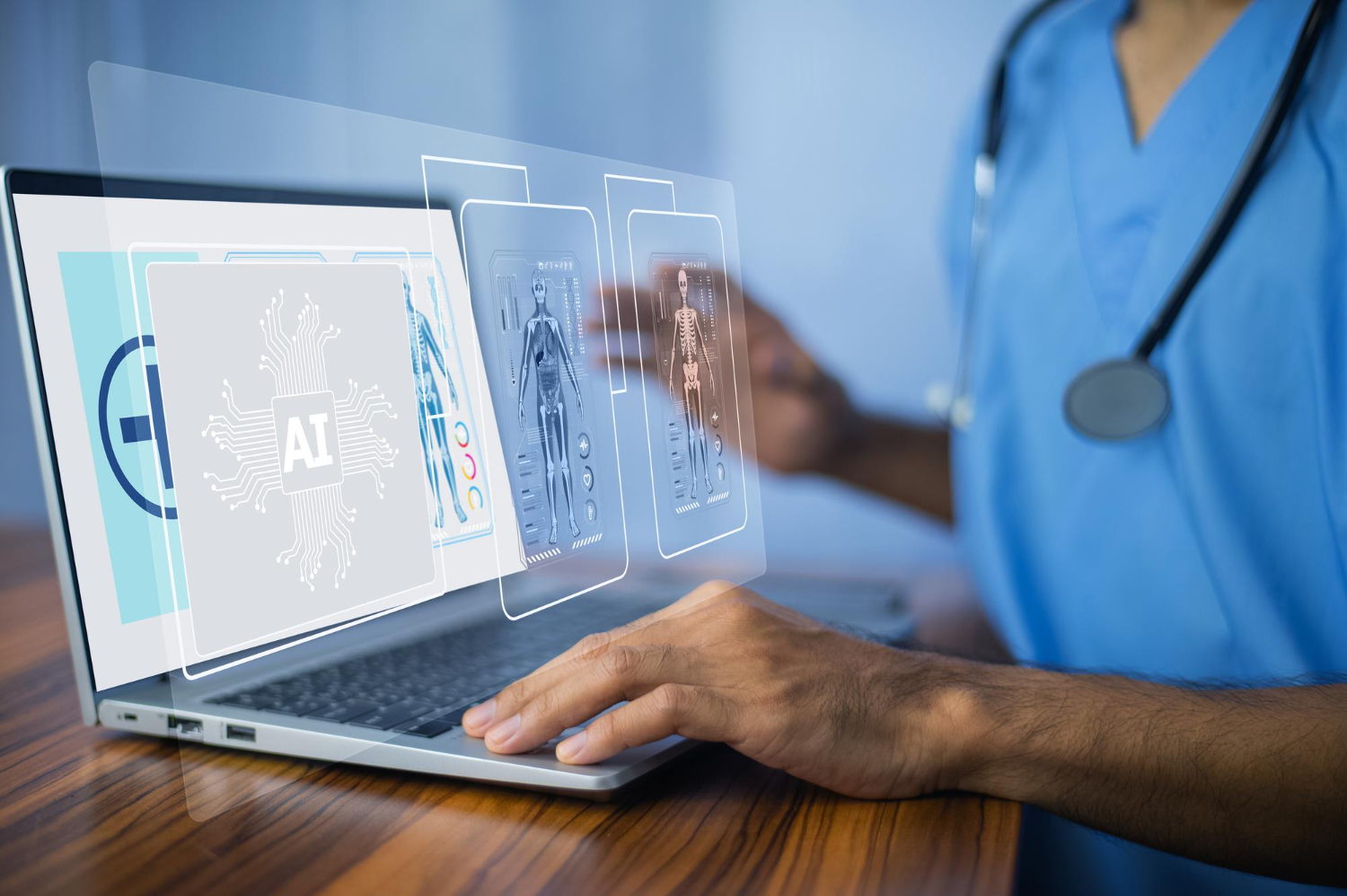
Introduction to AI-Driven Healthcare Innovation
India is witnessing a transformative shift in healthcare delivery as artificial intelligence-powered diagnostic tools gain widespread acceptance across the medical ecosystem. This technological revolution represents more than just digitization—it marks a fundamental reimagining of how clinical diagnoses are performed, validated and delivered to patients nationwide.
Driving Forces Behind Healthcare Modernization
The integration of AI diagnostics stems from multiple converging factors: the need to address healthcare accessibility gaps, rising demand for accurate early detection and the government’s commitment to digital health transformation. These technologies promise to democratize quality healthcare by bringing sophisticated diagnostic capabilities to regions previously underserved by specialist medical expertise.
National Push for Modern Clinical Workflows
Healthcare institutions across India are actively pursuing AI integration as part of a broader national strategy to modernize clinical operations. This comprehensive approach encompasses strengthening early disease detection mechanisms, reducing diagnostic turnaround times and improving overall medical accuracy through intelligent automation.
Policy Framework and Government Support
The Ministry of Health’s emphasis on digital transformation has created an enabling environment for AI adoption. Policymakers recognize that intelligent diagnostic systems can address critical challenges including physician shortages in rural areas, delayed diagnoses and inconsistent quality standards across healthcare facilities. This top-down support accelerates technology deployment while ensuring alignment with national health objectives.
Expert Perspectives on AI Implementation
Leading voices in India’s healthcare sector are articulating clear visions for AI’s role in medical practice. Dr. Jitendra Sharma, Managing Director & CEO of AMTZ (Andhra Pradesh MedTech Zone), provides crucial insights into how these technologies will reshape clinical practice patterns.
Empowering Clinicians, Not Replacing Them
Dr. Sharma emphasizes a collaborative future where AI augments human expertise rather than supplanting it. “AI will not replace clinicians, but it will empower them to diagnose faster and more accurately, especially in settings where specialists are not readily available,” he explains. This philosophy positions technology as an enabler that extends physician capabilities, particularly benefiting healthcare providers in resource-constrained environments.
Technology Adoption Across Medical Specialties
Radiology and Medical Imaging
AI-driven diagnostic adoption has gained significant momentum across multiple medical disciplines. Radiology departments are leading this transformation, deploying sophisticated algorithms capable of analyzing X-rays, CT scans and MRI images with remarkable precision. These systems identify subtle abnormalities that might escape initial human review, effectively serving as a secondary diagnostic layer.
Pathology and Laboratory Medicine
Beyond imaging, pathology laboratories are implementing AI models for histopathology slide analysis. These systems examine tissue samples at microscopic levels, detecting cellular abnormalities and cancer markers with speed and consistency that complement pathologist expertise. Retinal imaging for diabetic retinopathy screening represents another successful application area, enabling early intervention before vision loss occurs.
Preventive Care Programs
Preventive healthcare initiatives increasingly leverage AI for risk stratification and population health management. By analyzing patient data patterns, these systems identify individuals at elevated risk for chronic diseases, enabling proactive interventions and personalized care pathways.
Industry Leadership and Regulatory Framework
Medical Technology Association’s Perspective
Pavan Choudary, Chairman of the Medical Technology Association of India (MTaI), acknowledges AI’s meaningful contribution to clinical practice. He highlights how intelligent systems reduce repetitive diagnostic workload while enhancing interpretation accuracy, allowing physicians to focus on complex cases requiring nuanced judgment.
Quality Standards and Safe Deployment
Choudary emphasizes the critical importance of robust regulatory pathways and quality frameworks governing AI deployment. India’s diverse healthcare landscape—spanning advanced urban hospitals to basic rural clinics—demands flexible yet stringent standards ensuring patient safety and diagnostic reliability across all settings.
Expanding Access to Remote Healthcare Districts
Researchers collaborating with government agencies view AI as a powerful equalizer for healthcare disparities. Standardized, high-quality diagnostic services can now reach remote districts previously dependent on sporadic specialist visits or costly referrals to urban centers.
Bridging the Urban-Rural Divide
AI-powered diagnostics deployed at primary health centers enable frontline healthcare workers to deliver specialist-level assessments. This capability dramatically reduces the need for patient travel while accelerating treatment initiation—factors particularly crucial for time-sensitive conditions requiring prompt intervention.
Future Roadmap and Strategic Initiatives
Validation Studies and Evidence Building
India’s healthcare sector is preparing for expanded validation studies that will generate robust evidence supporting AI diagnostic accuracy across diverse patient populations. These studies will inform regulatory approvals and build physician confidence in technology-assisted workflows.
Data Governance and Privacy Protection
Strengthening data governance frameworks remains essential for sustainable AI implementation. Clear protocols for patient data collection, storage and usage will ensure privacy protection while enabling the large-scale datasets necessary for algorithm training and refinement.
Collaborative Ecosystem Development
Future progress depends on effective collaboration between hospitals, technology developers and regulatory authorities. This tripartite partnership will accelerate innovation cycles, ensure practical utility and maintain patient safety as AI diagnostics become integral to India’s healthcare infrastructure.

Leave a Reply